
Topic outline
-
-
Course
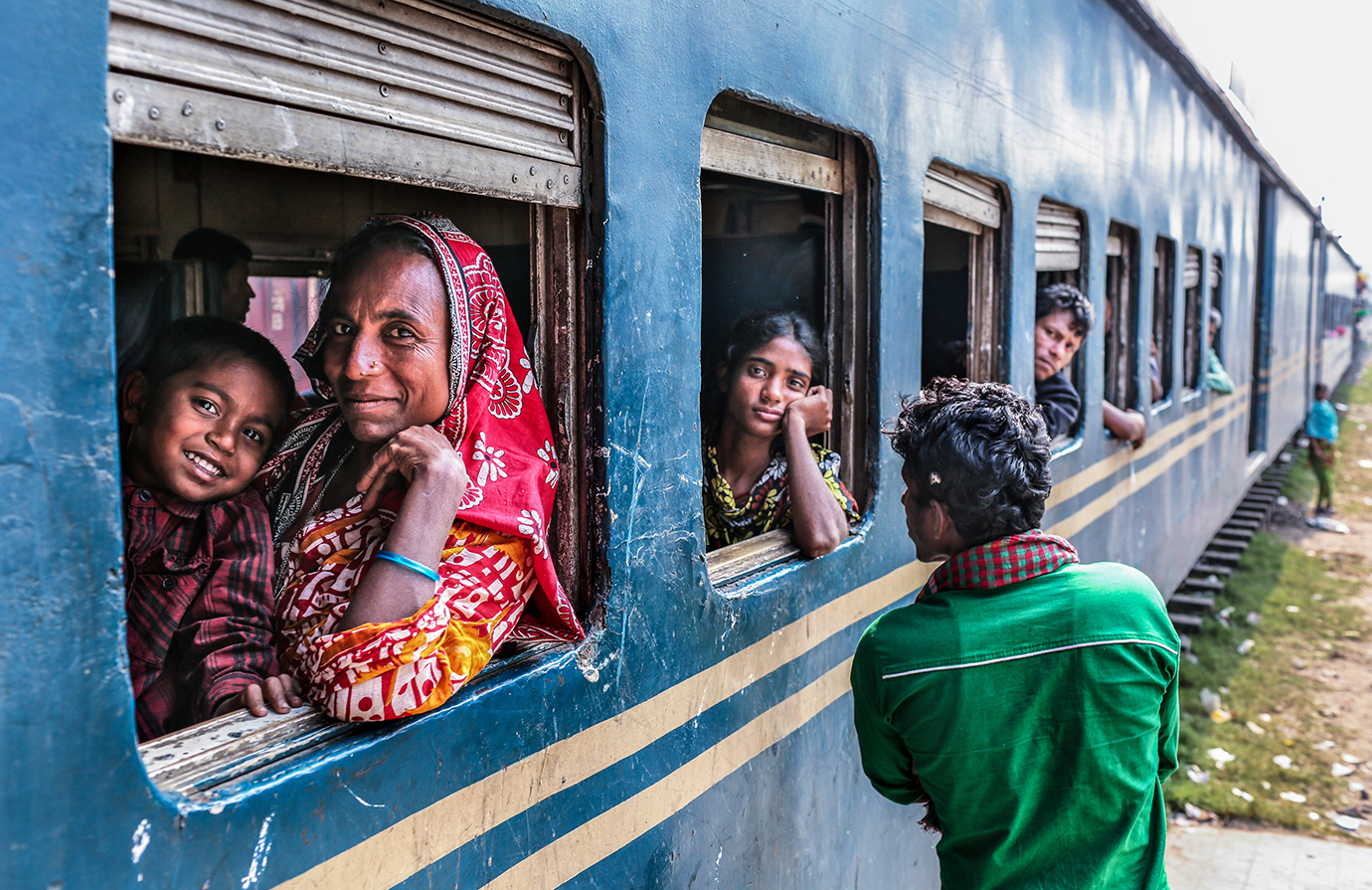
Migration and Youth in Rural Areas
Migration is an intrinsic part of rural development. Yet, there are major knowledge gaps regarding its drivers, dynamics and effects on rural areas. This e-learning course allows to understand the linkages between migration and rural development with a particular focus on youth. It also provides policy recommendations on how to maximize the positive impacts of rural migration and minimize the negative ones.
50 m
-
Course
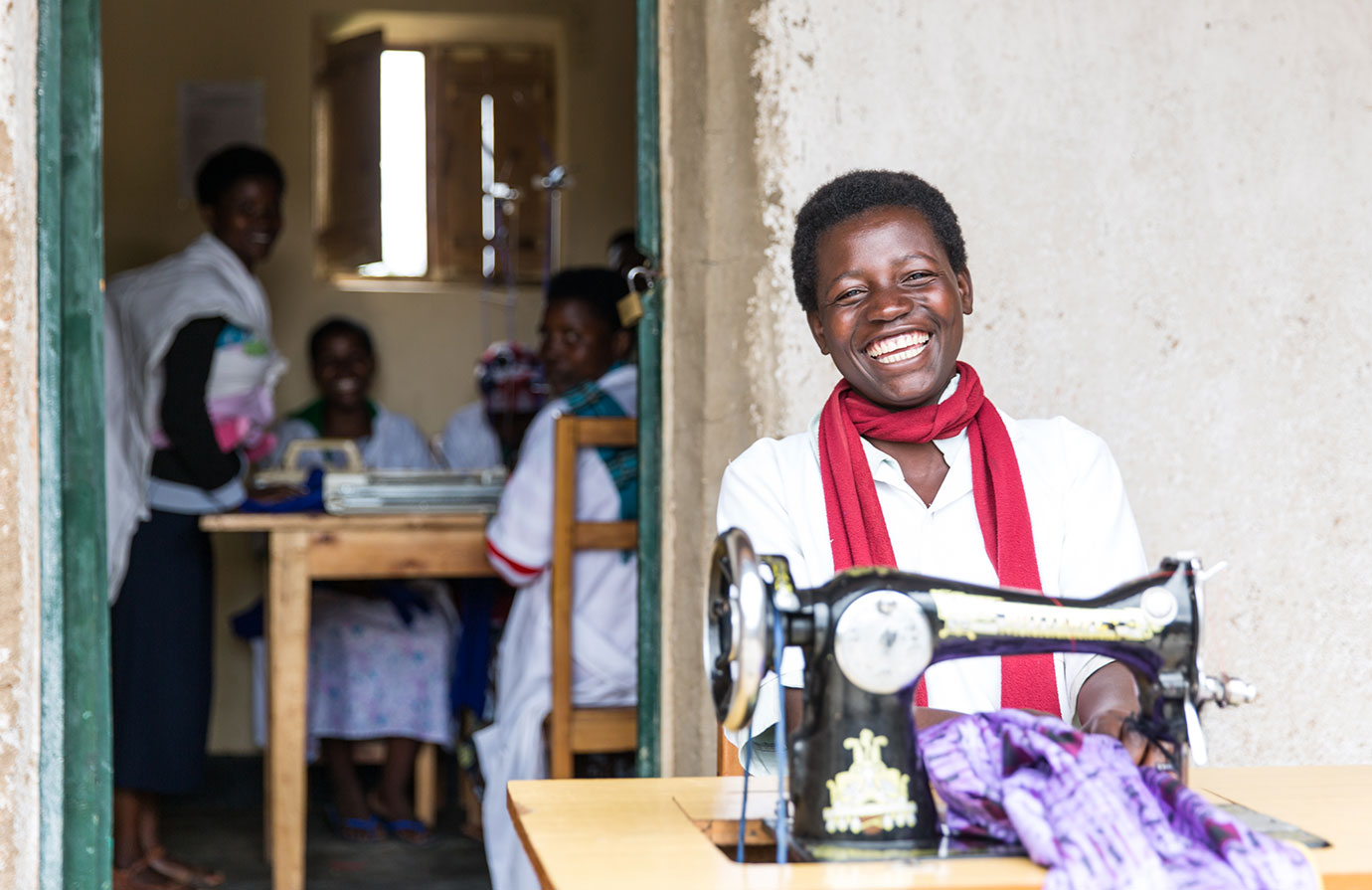
Migration and gender
This one-lesson course considers the gender dimension of rural migration. As men and women experience migration differently, to reduce the vulnerability and empower both rural women migrants and women who stay behind, it is essential to integrate gender into policies and programmes on migration and rural development.
55 m
-
Course
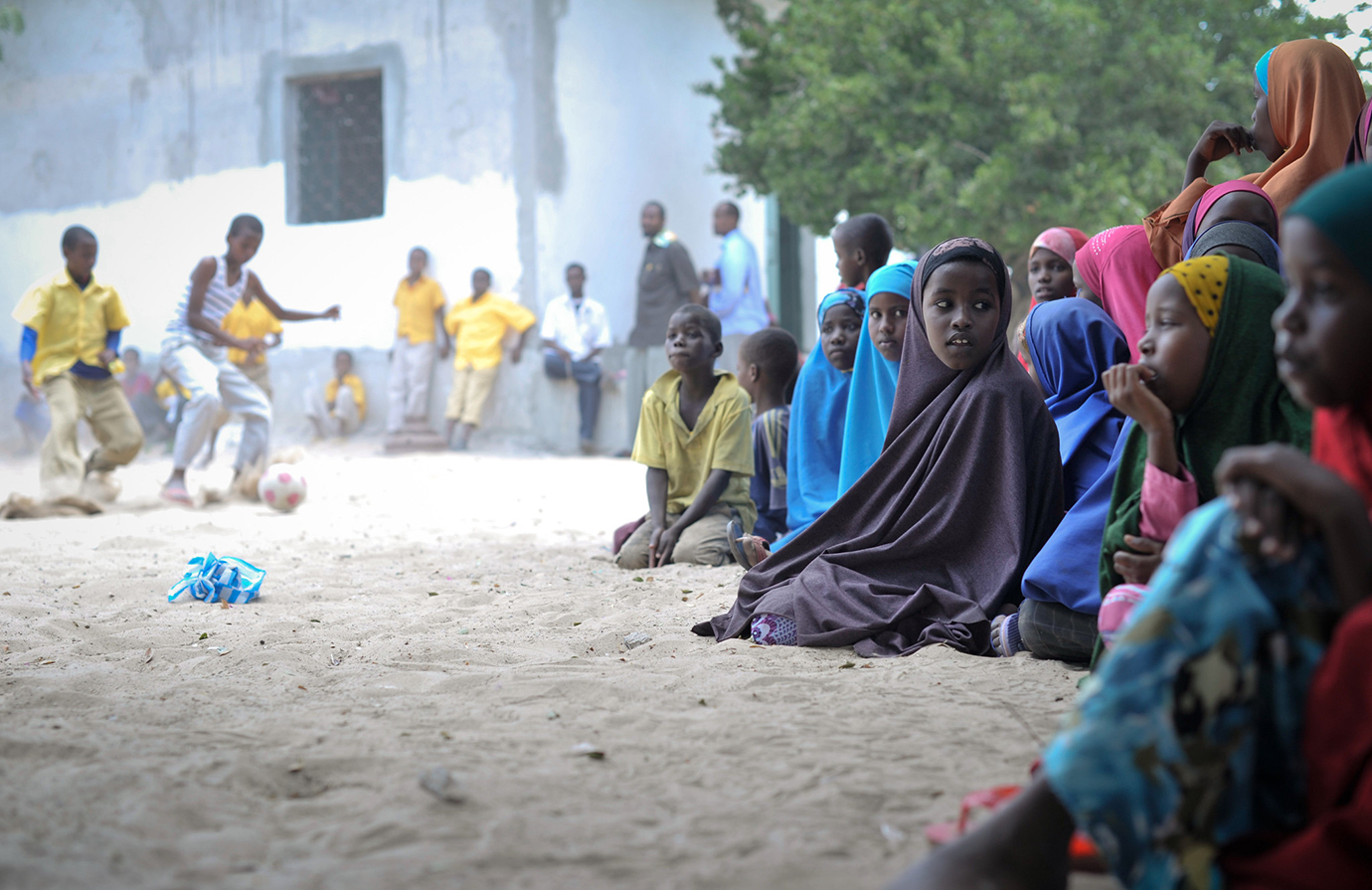
Migration and protracted crisis
The focus of this one-lesson e-learning course is on forced migration due to protracted crisis situations, including both natural or human made disasters, and conflict. Forced migration is a sub category or type of migration. It is distinguished by the presence of coercion or a lack of voluntariness.
55 m
-
Course
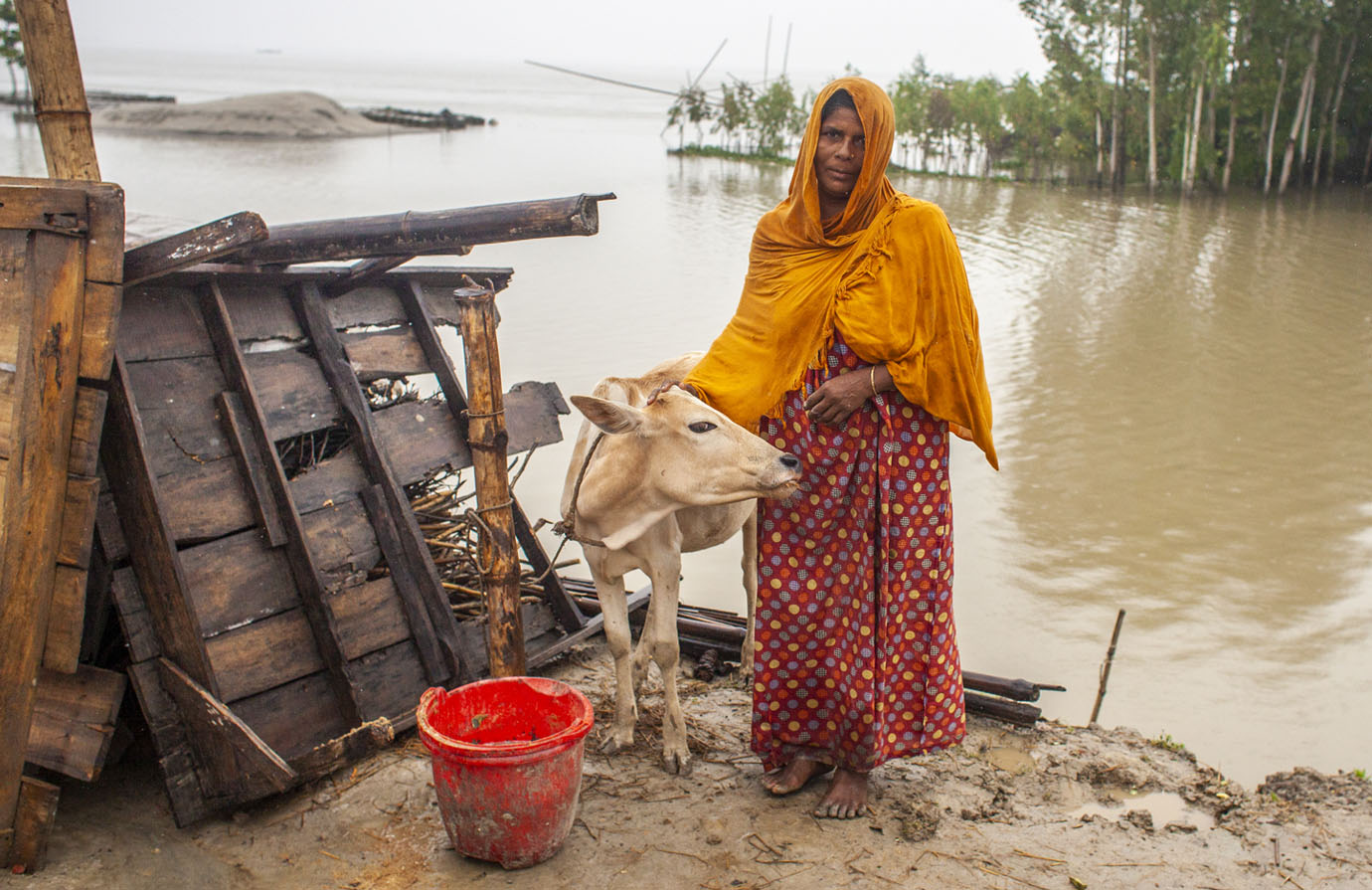
Migration and climate change
This two-lesson course focuses on the impact of climate change on rural livelihoods and how climate change and variability interact with other factors to drive migration. It considers the conditions necessary for migration to be an adaptation strategy to climate change that can ultimately strengthen resilience, so that migration is a choice not a necessity.
1 h 45 m
-
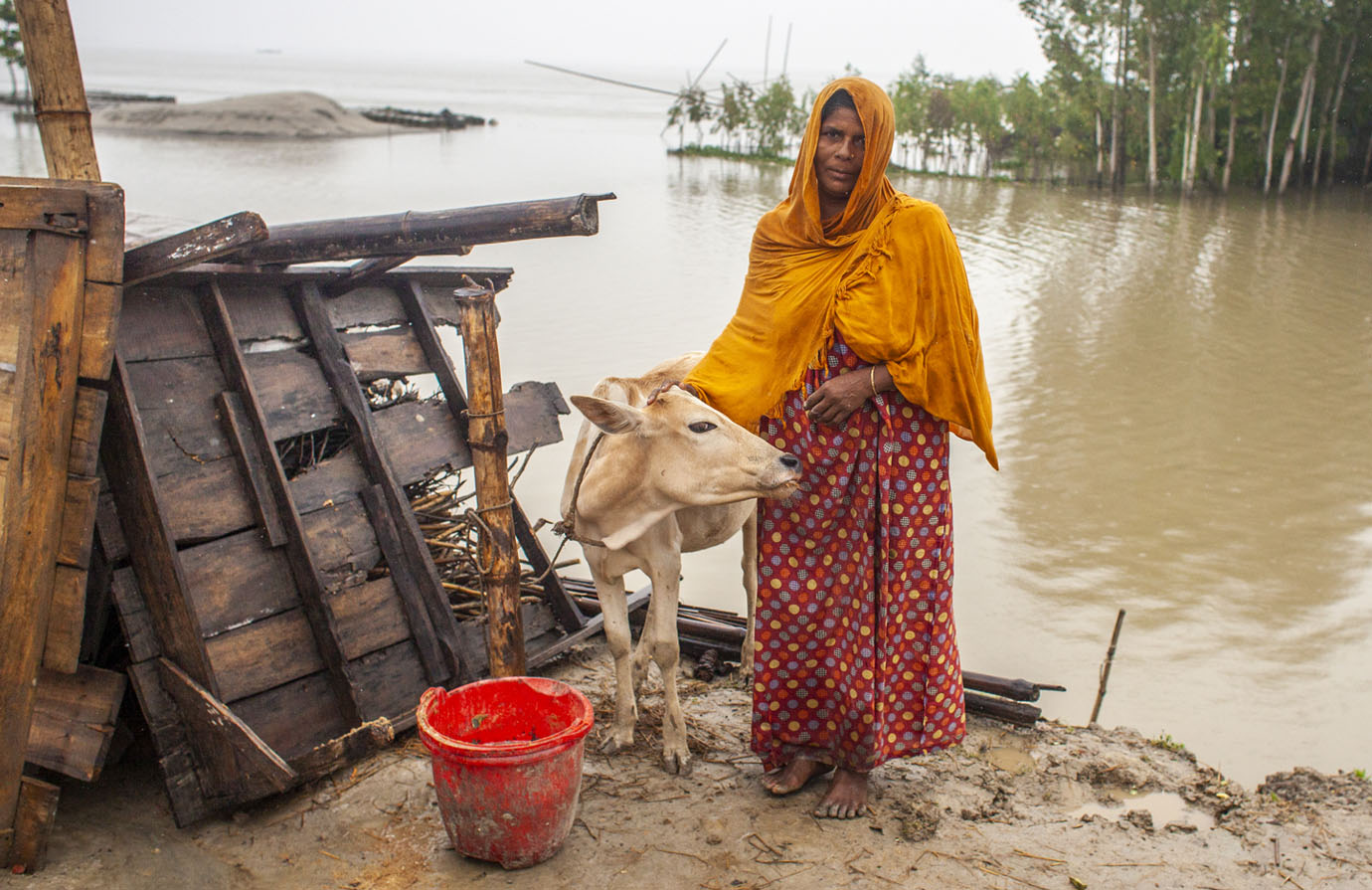
Course
Migrant workers in agrifood systems
This course focuses on the essential role that migrants play in our food systems, and how we can reduce the many vulnerabilities they face. It considers the key aspects of safe and regular migration channels for migrant workers in agrifood systems, and practical actions that can be taken by a range of stakeholders to improve outcomes for both internal and international migrants and their families.
1 h 20 m