
Topic outline
-
-
Course
Course 1: Introduction to Codex
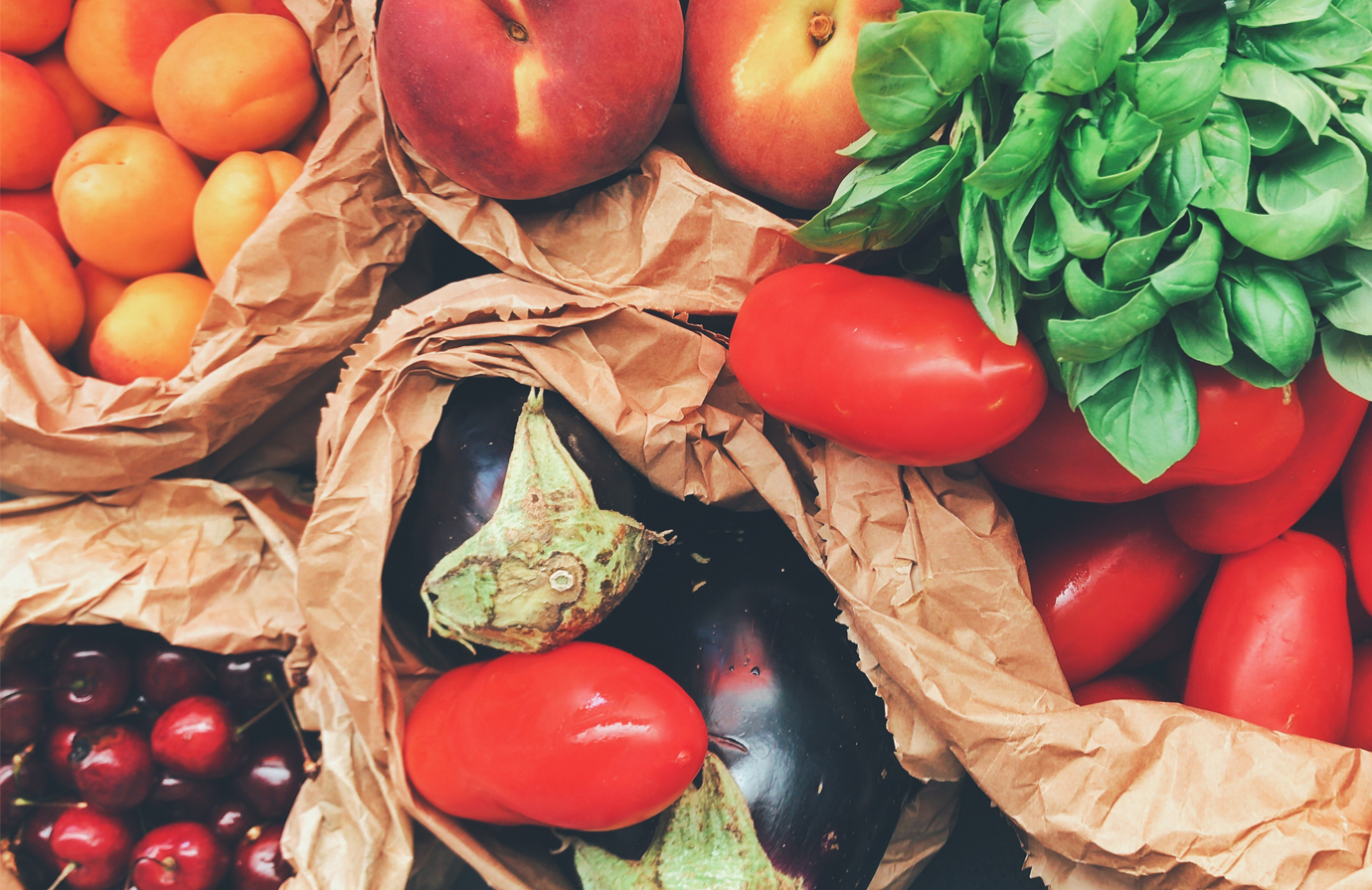
This first course explains why Codex exists and why it is important. It provides a brief history of the establishment of the Codex Alimentarius Commission and introduces its mandate and legal basis, as well as the initial steps for becoming involved.
2 h -
Course
Course 2: Engaging in Codex
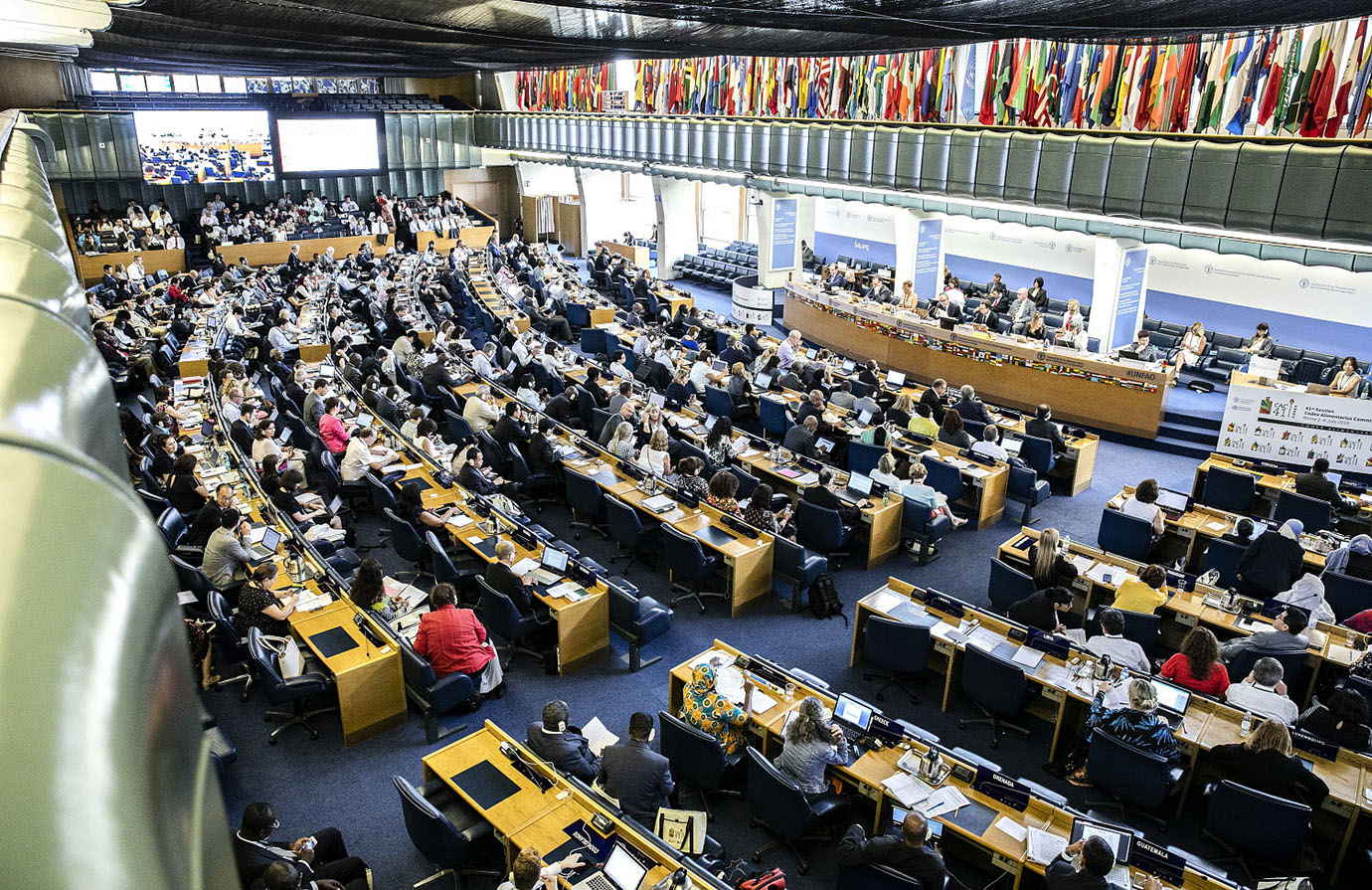
The second course guide the learner on how to establish a national Codex programme and make it function well. It further explain on how to engage effectively in Codex at international level.
4 h 30 m -

Course
Course 3: Science and risk analysis in Codex
The third course provides information on the scientific basis and the application of risk analysis in Codex and explains how FAO/WHO scientific advice is used in the development of Codex standards. It also describes the interactions between FAO/WHO expert bodies and relevant Codex Committees and explains why and how countries can contribute to the provision of scientific advice.
1 h 40 m -
Course
Course 4: Codex collaboration at regional level
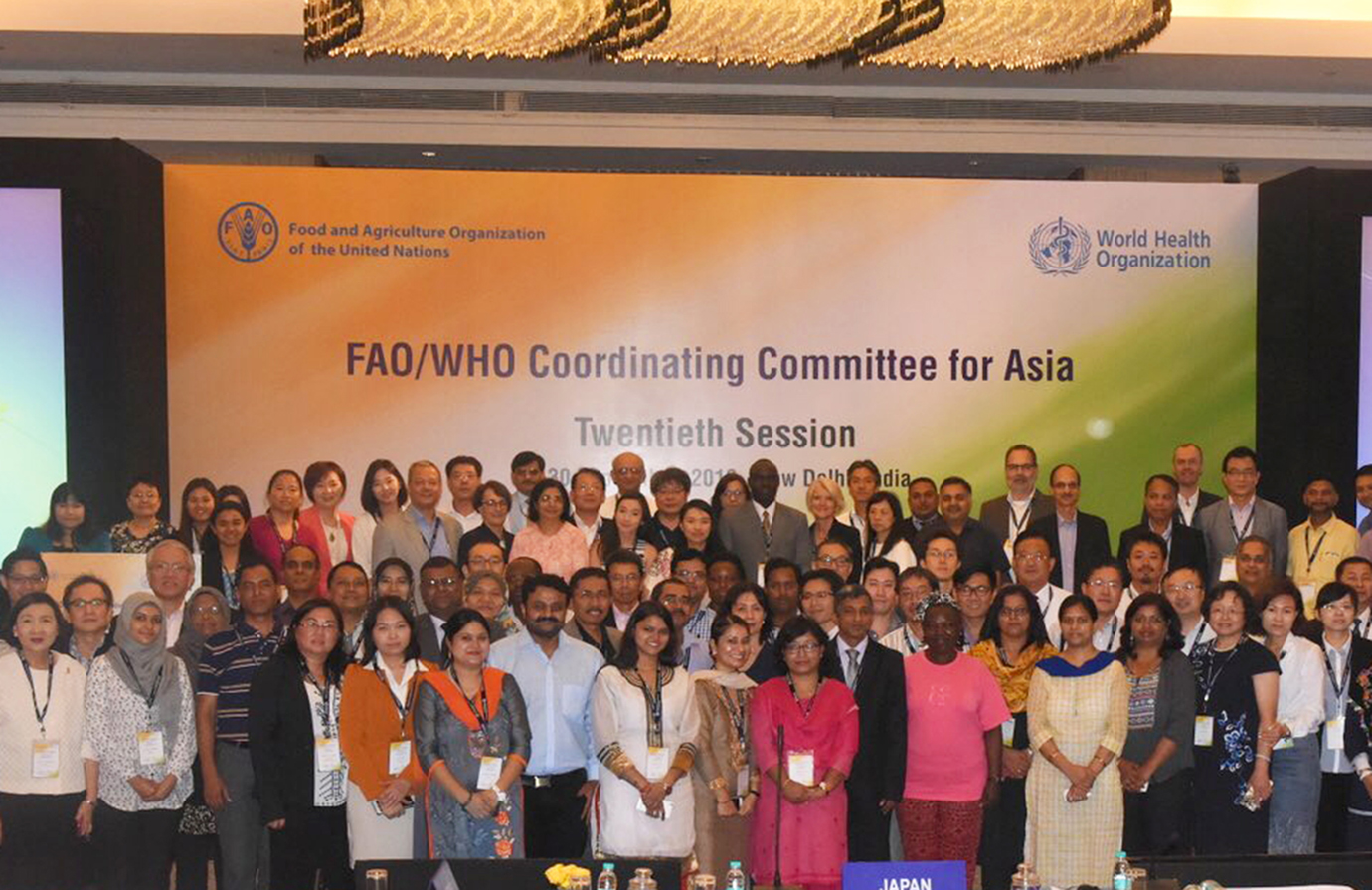
The fourth course gives an overview of the FAO/WHO Coordinating Committees, and describes the roles, functions and responsibilities of Coordinators (often referred to as “regional coordinators”) and Members of the region. It will be particularly useful to policy-makers and national officials involved in food control and Codex work.
1 h 30 m -

Course
Course 5: Risk assessment in the framework of Codex
This series of five courses is designed to improve understanding of Codex Alimentarius and develop sustainable national capacities to engage in and benefit from Codex work. The fifth course provides information on the application of risk assessment in the context of Codex and explains how Codex Members can request, contribute to and use the outcomes of FAO/WHO risk assessment activities. To receive a certificate, you are only required to complete Lessons 1 and 2, plus one of the five sublesson of interest, for an actual workload of approximately 3 hours of self-paced learning.
6 h 20 m