Partners

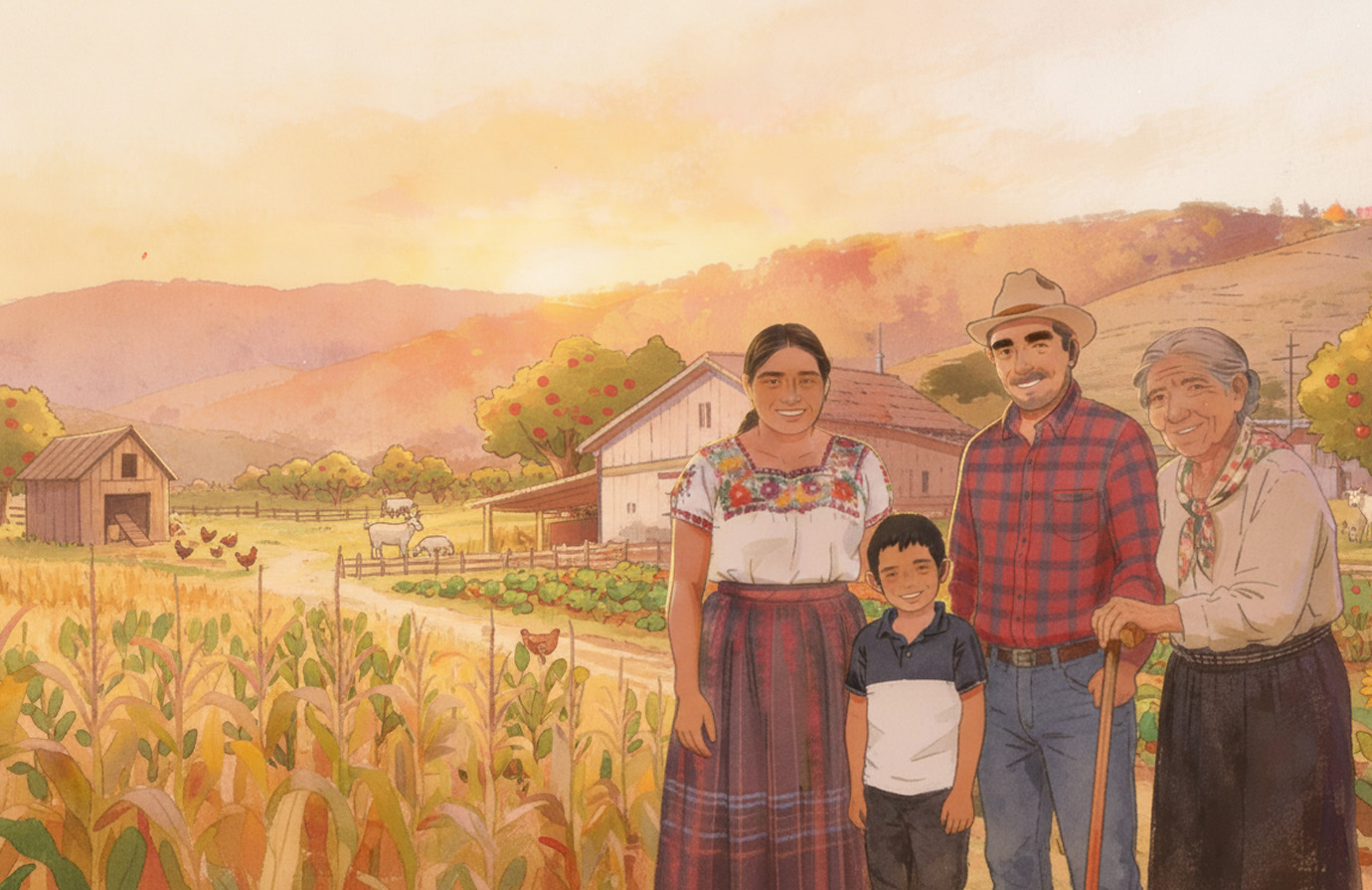
This course introduces the concept of family farming, explaining what it is, how it is defined, and why it is important for agrifood systems and sustainable development. It also provides a background of the economic, social, and environmental challenges faced by family farmers worldwide due to policy gaps.
The course then explains the key dimensions of family farming, highlighting the links between family, land, labour, biodiversity, natural resources, culture, and generational continuity. It presents the main criteria commonly used by countries to identify family farms, such as how the farm is managed, who provides the labour and the size of the land. Finally, the course explains how family farming definitions are operationalized through information systems, known as family farming registries.
This course is intended for:
This course consists of four lessons of approximately 7-8 minutes duration each:
This course runs on the latest versions of the major browsers, such as Google Chrome, Microsoft Edge, Mozilla Firefox and Apple Safari.
The course opens in a separate popup window. If this does not happen, a popup blocker in the browser is probably preventing it from opening and you will need to disable popup blockers for this site. Please read the following instructions on how to do this.
This course offers certification. You will get your digital badge upon passing a final exam after completing the course and achieving a grade of at least 75%. Please click on the button below to complete the exam, or refer to our Certification section to learn more.
We would be pleased to receive your evaluation of this course, to support us in improving future e-learning courses. Please click on the button below to answer the questions in the form. It should only take you a few minutes!